

Tailored operational strategies are developed for different asset types. At the spatial level, functional restructuring and scenario optimization enhance efficiency and user experience; at the content level, precise tenant mix and cultural IPs strengthen customer engagement. Driven by the dual engines of “Space + Content,” this model effectively increases rental income and capital value, extends asset life cycles, and upgrades traditional development and property management into value-creation-oriented operations.

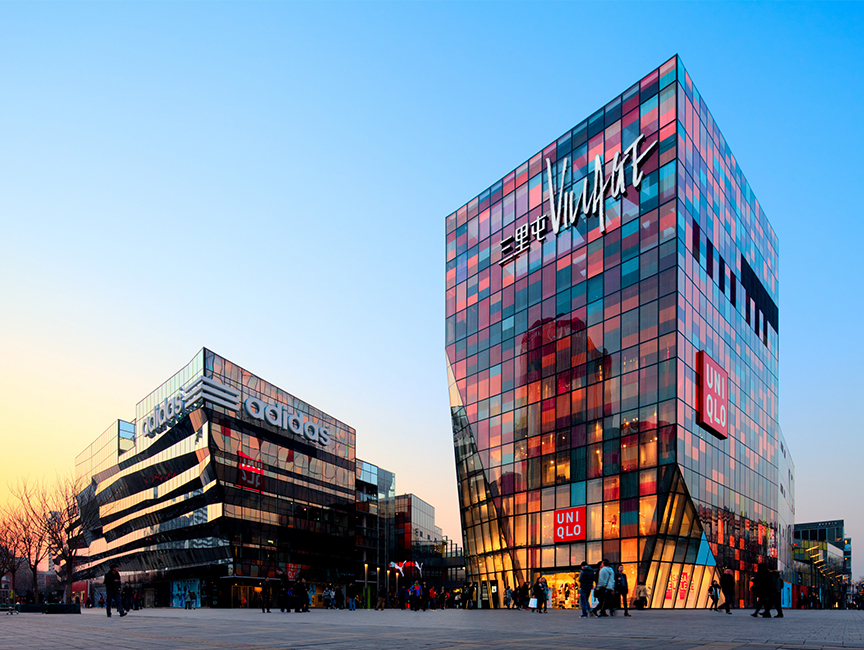
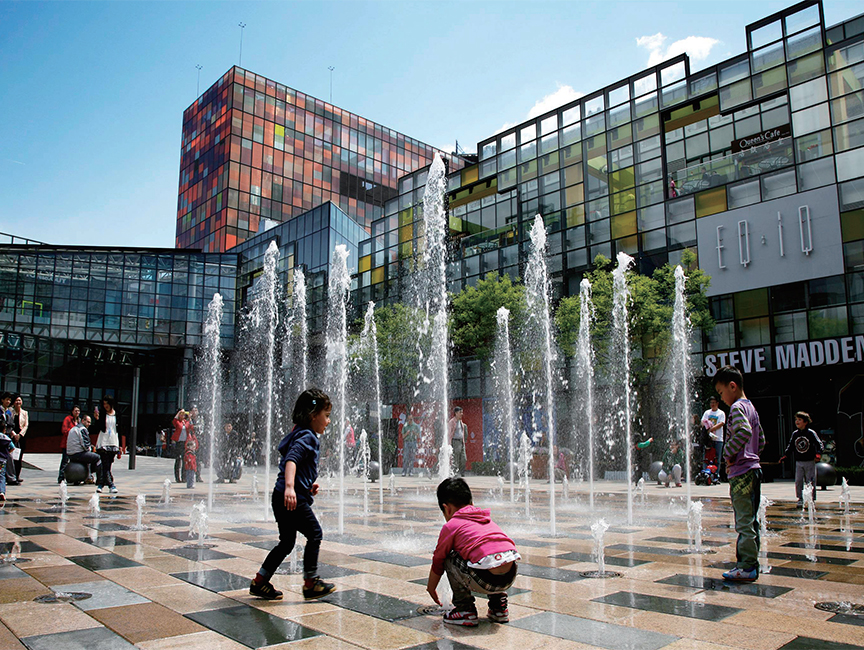
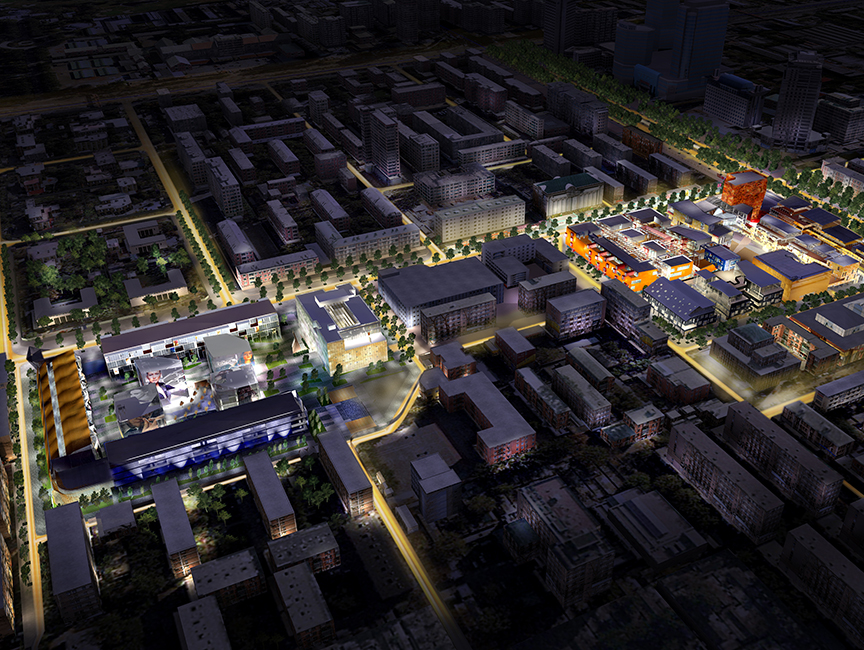
The first open-air experiential retail district in Northern China and the inaugural practice of GR’s “Art-Led Urban Renewal” philosophy. GR led the entire process from primary land consolidation to secondary development, successfully transforming Beijing’s Sanlitun Embassy Area from a deteriorated street into an international landmark.
Designed by multiple renowned international architectural teams, the project integrates traditional hutong textures into a low-density cluster of 19 artistic buildings. With the introduction of global flagship brands, including Apple’s first store in China, it pioneered a business model combining “flagship economy and cultural symbiosis,” attracting an average daily footfall of over 200,000 and becoming a cultural icon of Beijing. Driven by the “Space + Content” strategy, 50% of the area is dedicated to art and cultural activities, fostering a vibrant night-time economy and trend-setting destination, and setting an industry benchmark for long-term asset value appreciation.

A key provincial–municipal–district level project in Jiangxi, with a total investment of RMB 4 billion and a GFA of 180,000 sqm, creating the province’s first POD waterfront commercial complex. The project pioneers a dual-engine model of “cultural preservation + asset operations,” revitalizing local cultural assets through the principles of preservation, renovation, relocation, compensation, and enhancement.
Leveraging full-chain asset management capabilities, the commercial cluster serves as a catalyst for regional value uplift. Through optimized tenant mix and cultural IP development, it forms a diversified asset portfolio integrating “retail, hospitality, parks, and cultural landmarks.” The project not only upgrades the quality and efficiency of cultural-tourism assets, but also serves as a strategic gateway li nking Ganzhou with the Greater Bay Area, providing a replicable operational model for rural revitalization assets.
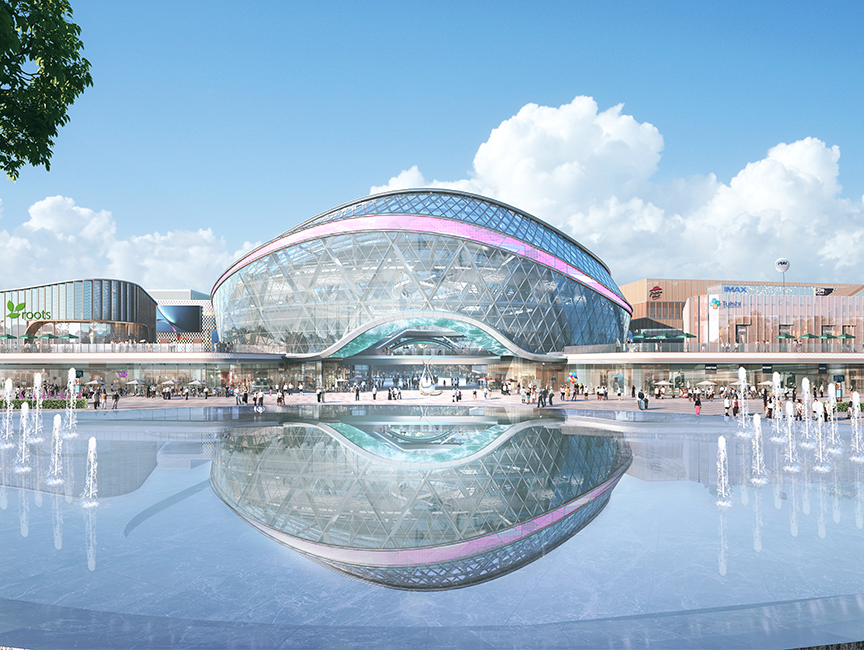
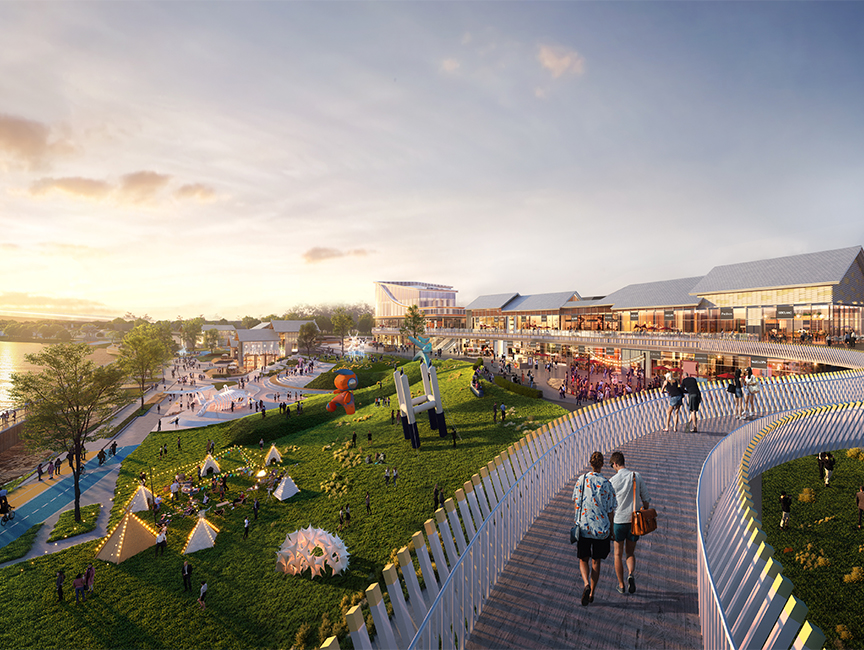
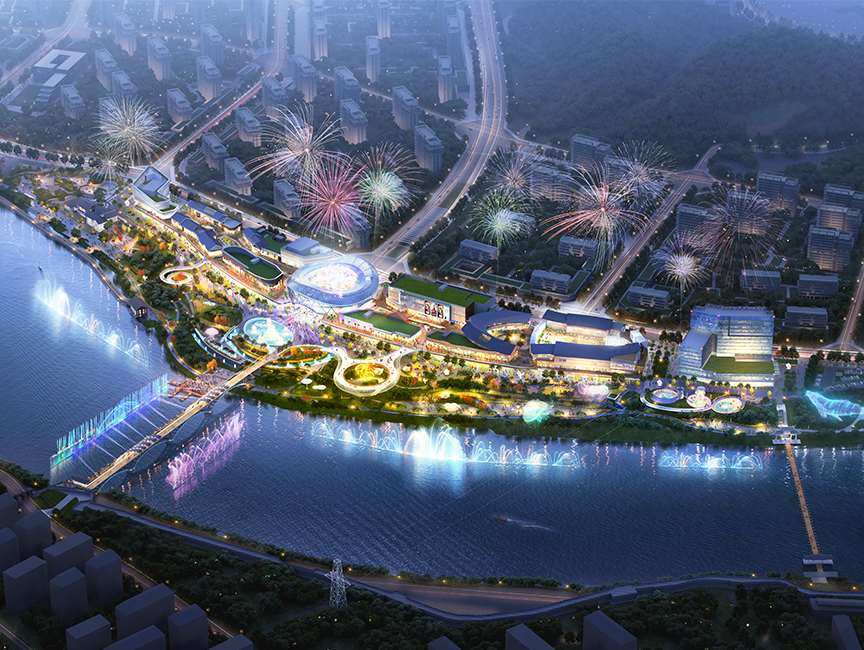

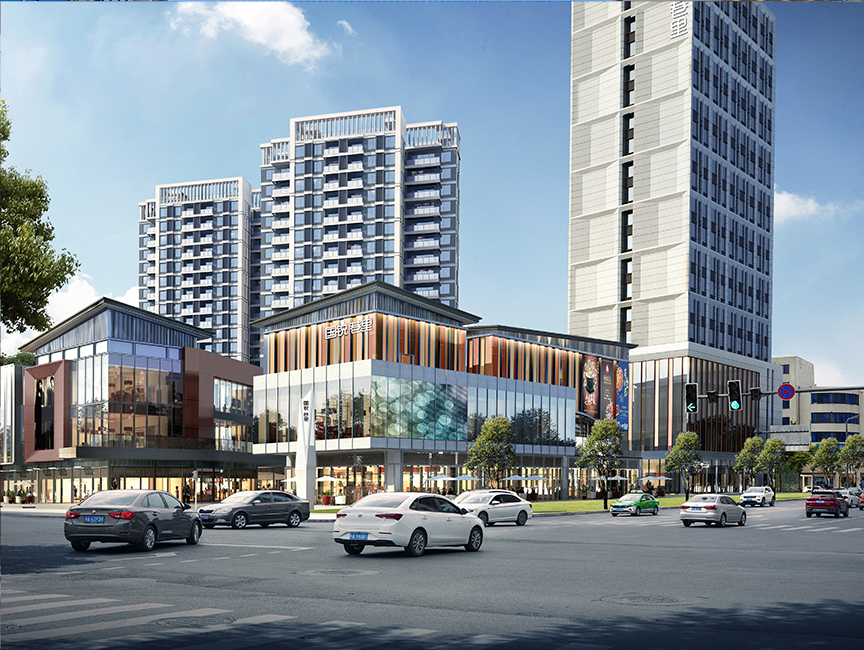
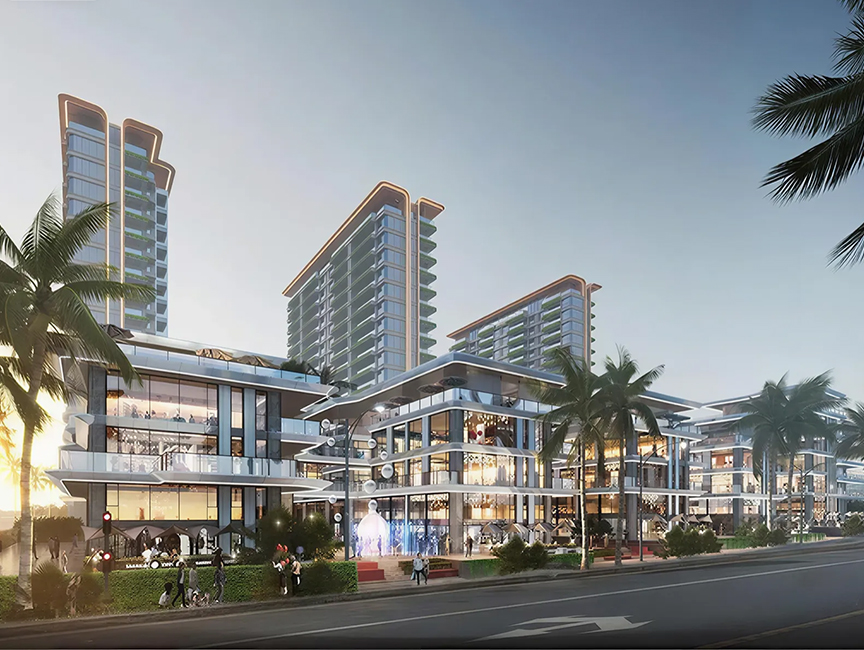
The first themed commercial street in Qingbaijiang, Chengdu, and a benchmark case of GR’s asset management for small- and mid-sized retail projects. Centered on the concept of “fun,” it offers 24-hour diversified experiential consumption and creates a vibrant urban living hub.
The project adopts a dual-engine strategy of “first-store clustering + precision operations.” Led by a professional commercial management team, it achieved 85% occupancy within six months, with average rents exceeding RMB 100/sqm—50% higher than surrounding competitors—and asset value increasing by 30%. This case validates GR’s refined operational capabilities in small-scale commercial assets and provides a replicable model for value enhancement.
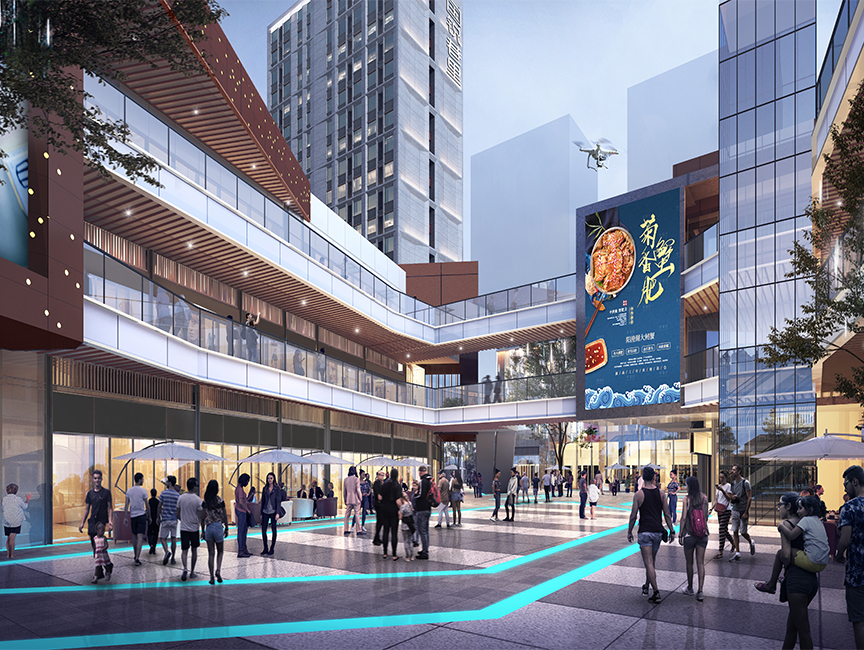
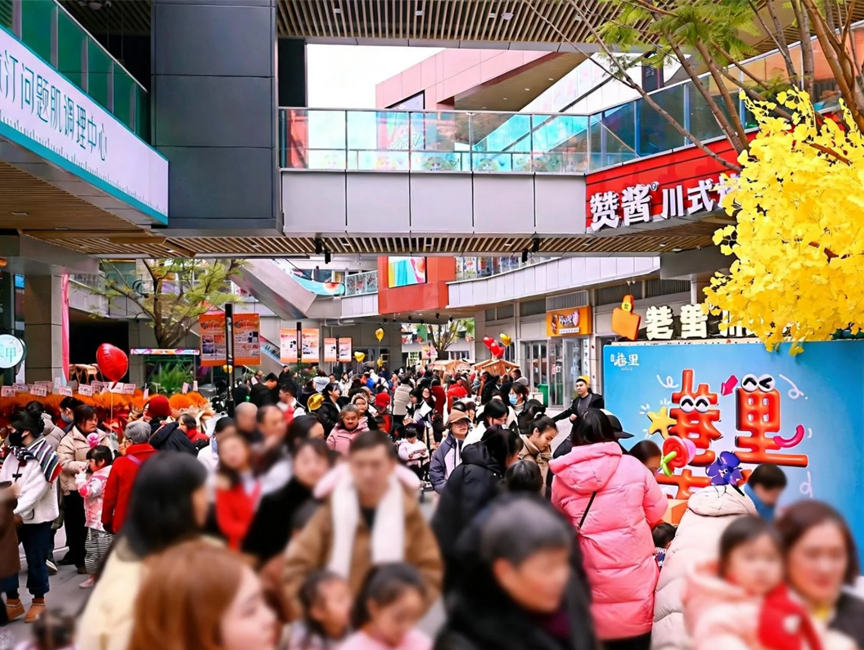

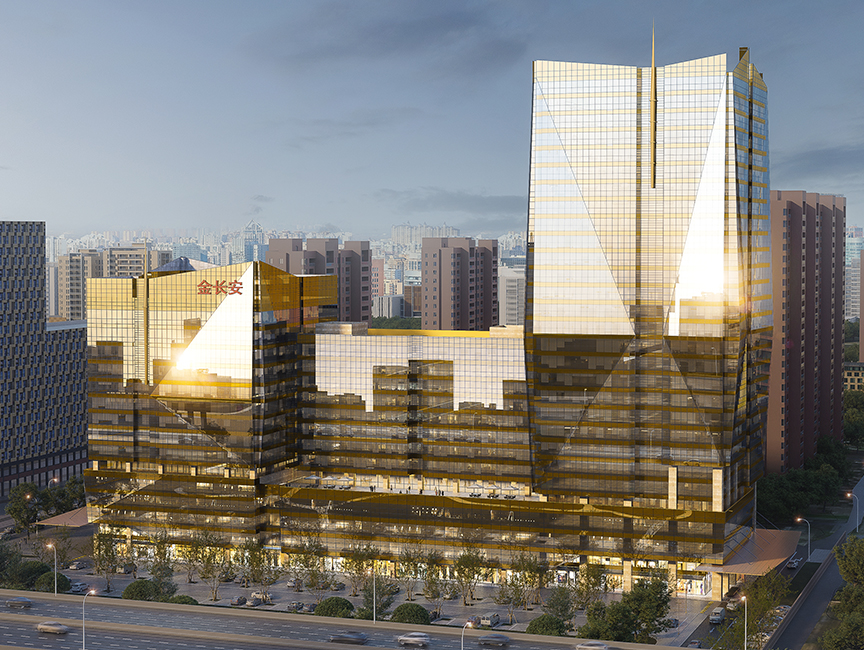
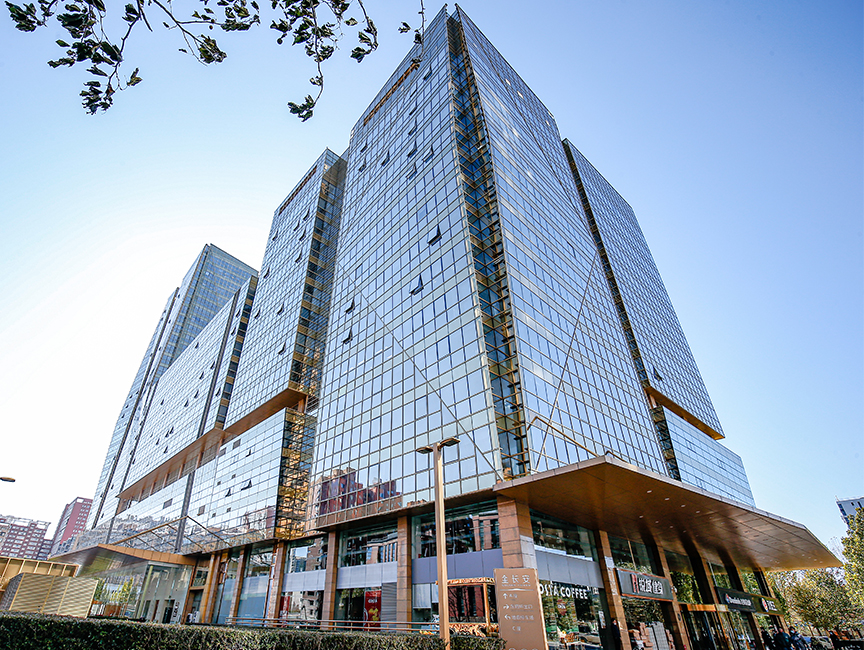
The largest Grade A integrated office complex in the Baiziwan area of Beijing, a LEED Gold–certified green building with a total GFA of approximately 100,000 sqm, repeatedly rated as a “Five-Star Grade A Office Building in Beijing CBD.” With a forward-looking asset positioning, the project effectively captured industry spillover from the CBD core, attracting over 160 high-quality enterprises across finance, technology, and professional services. Since its launch in 2008, it has consistently maintained occupancy above 95%.
Through outstanding asset operations, the project has delivered stable cash flows and sustained value appreciation, demonstrating GR’s professional asset management expertise in income-producing commercial properties and establishing itself as a regional benchmark investment-grade asset.

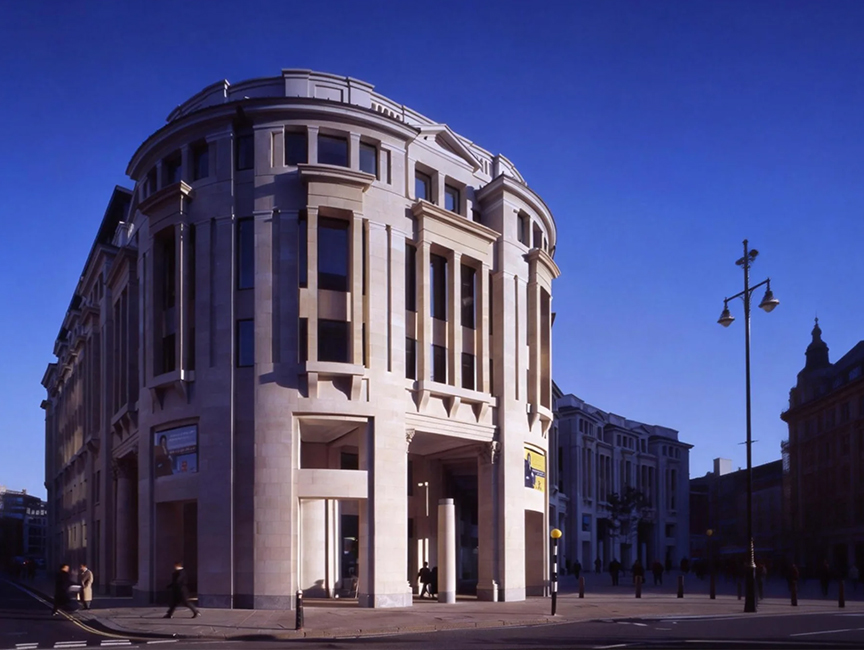
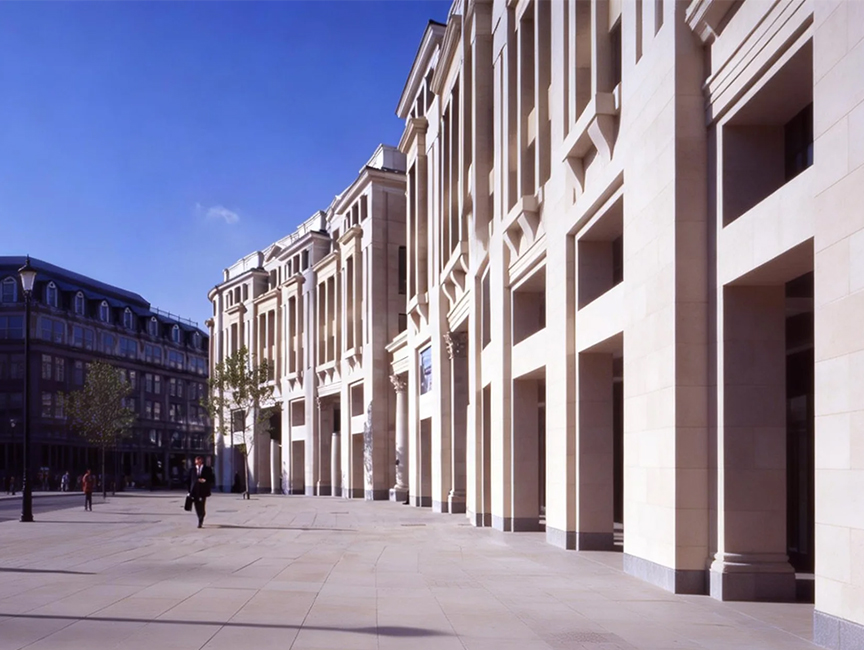
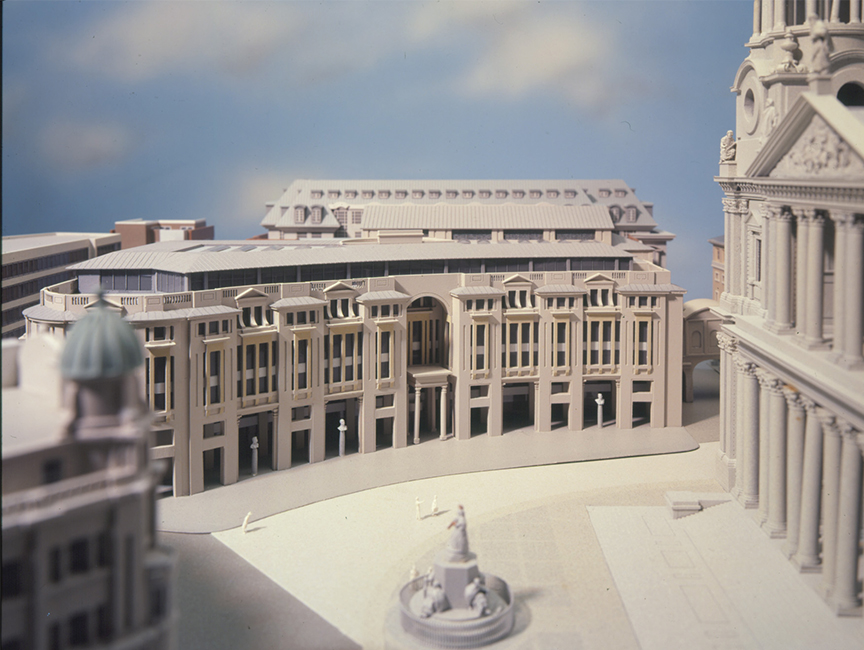
Located in the core of the City of London near St. Paul’s Cathedral, Juxon House is a key component of GR’s global asset allocation.
Acquired in 2017 for approximately RMB 1.176 billion, the property has achieved full occupancy on a long-term basis through the integration of a local professional team and GR’s asset management expertise. In 2021, it closed the largest single leasing transaction in the London market for that year, generating stable and recurring cash flows. Ongoing spatial reconfiguration and quality upgrades continue to unlock further value, highlighting GR’s capabilities in cross-border asset operations and value enhancement.

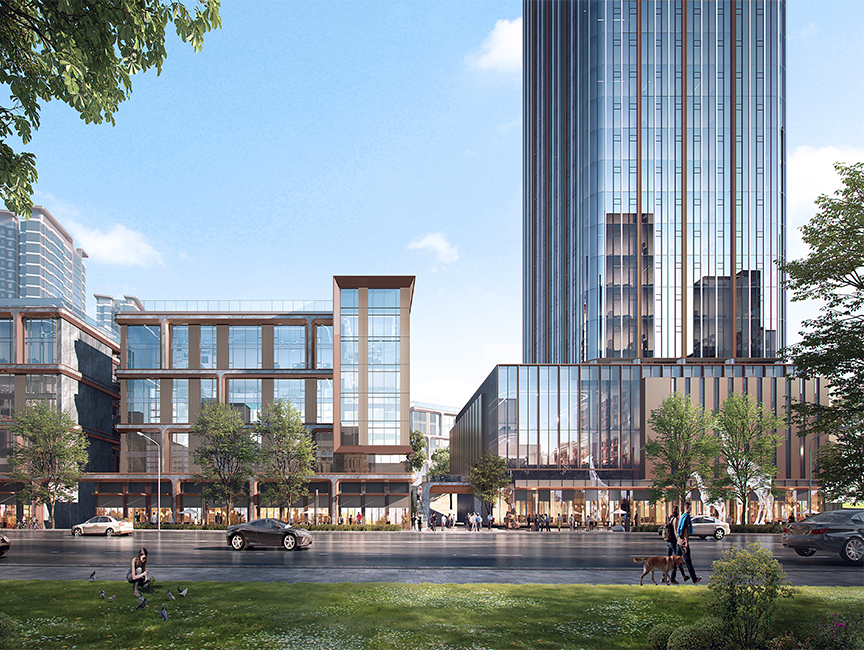
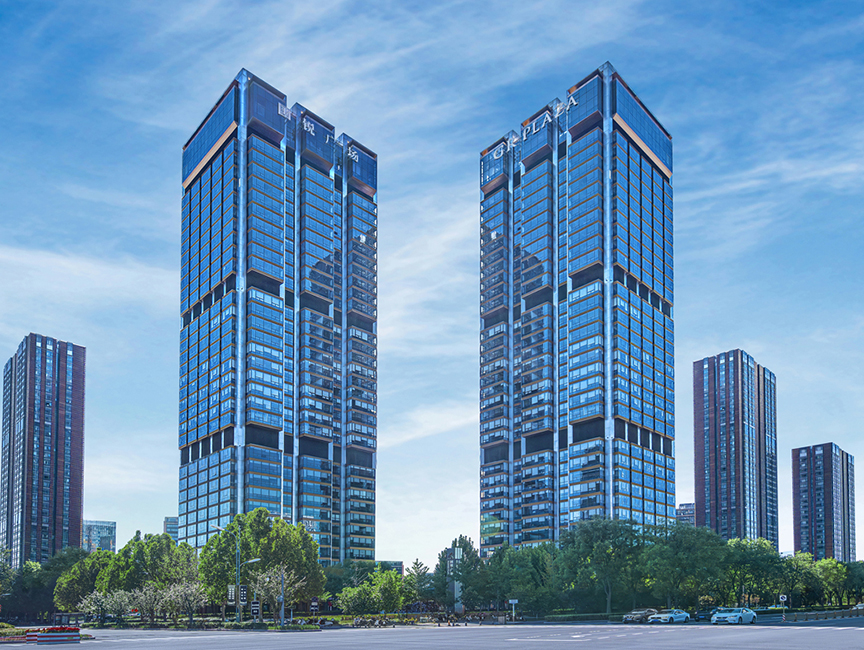
A gateway landmark in Yizhuang, Beijing Economic-Technological Development Area, developed under a full-chain asset management model covering “planning, development, and operations.” With a total GFA of approximately 600,000 sqm, the project integrates office, commercial, and residential functions. The 183-meter twin towers, GR Plaza, are LEED Gold–certified and form the highest skyline in the area, while the LEED Platinum–certified retail center RH Central fills the gap in high-end business amenities.
The overall occupancy rate exceeds 85%, hosting over 200 corporate tenants, more than 60% of which are high-quality enterprises, and has been officially recognized as an “International Industrial Park.” Through forward-looking asset strategies, the project has successfully driven Yizhuang’s transformation from a traditional industrial ba se into a modern new city, setting an industry benchmark for asset management–led regional value enhancement and green smart city development.
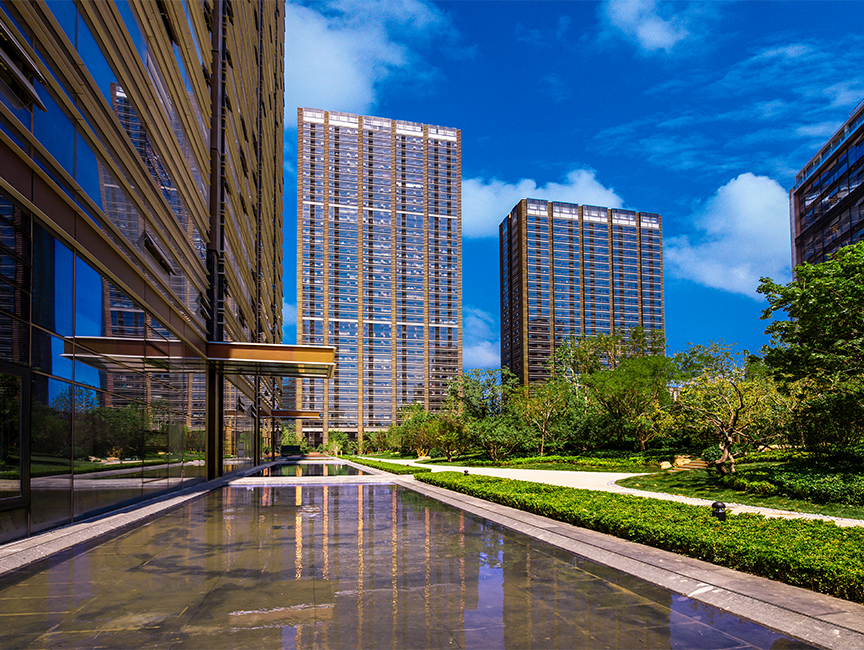

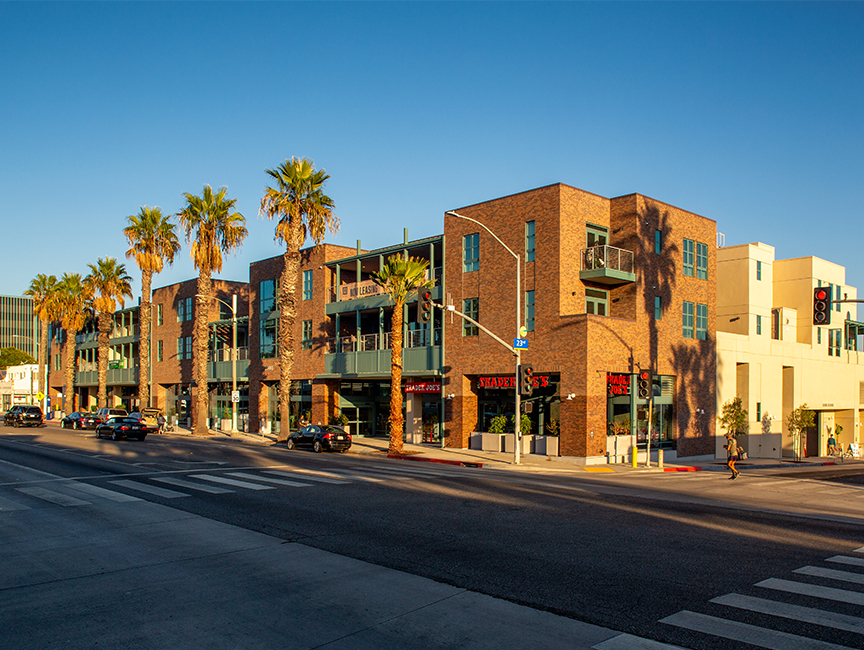
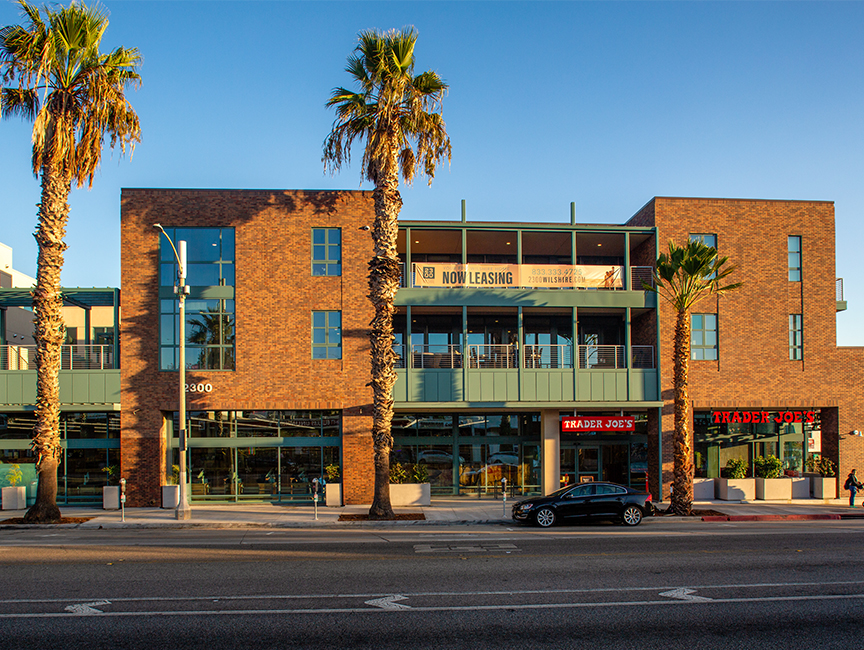
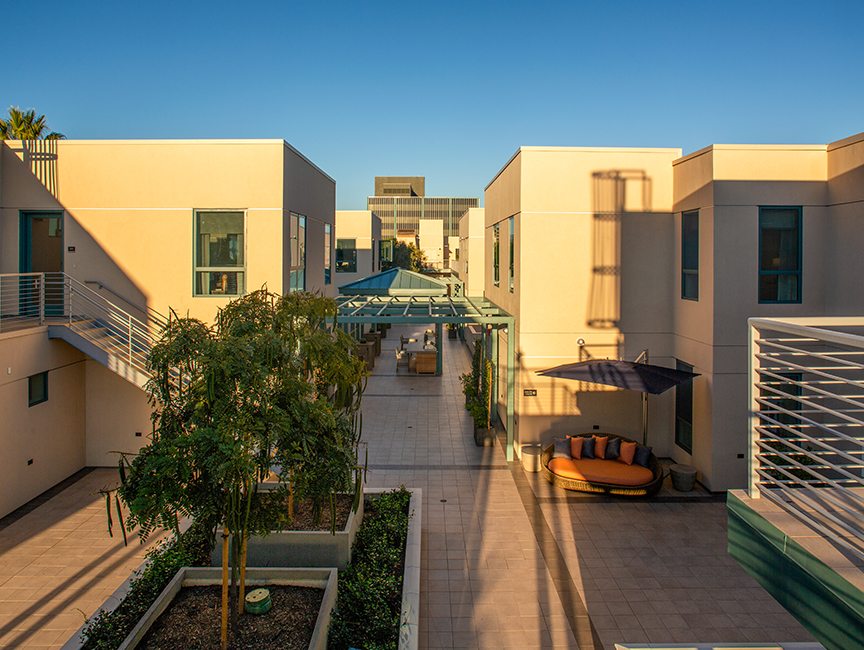
Located in the core pedestrian district of Santa Monica, Los Angeles, 2300 Wilshire occupies the terminal location of Route 66 and benefits from annual visitor traffic exceeding 7 million. Since acquiring the land in 2015, GR Group has led the entire process from development and construction to completion and operation in 2019, successfully introducing high-quality anchor tenants and achieving an occupancy rate of over 95% with stable cash flows.
The project fully demonstrates GR Group’s end-to-end asset management capabilities in overseas markets across “investment, development, operation, and exit,” and has become a benchmark for its cross-border asset management, continuously validating its international operational strength and value creation capability.

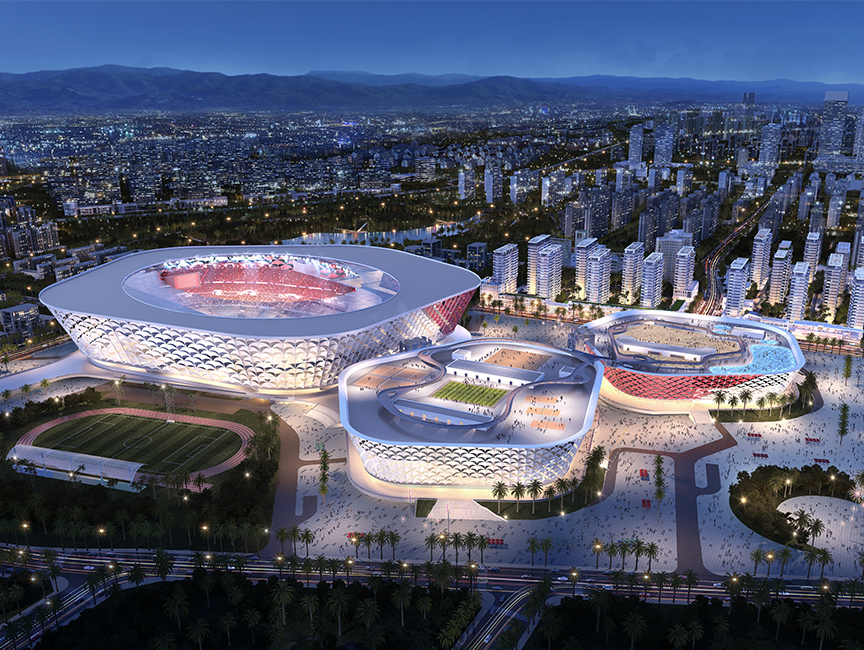
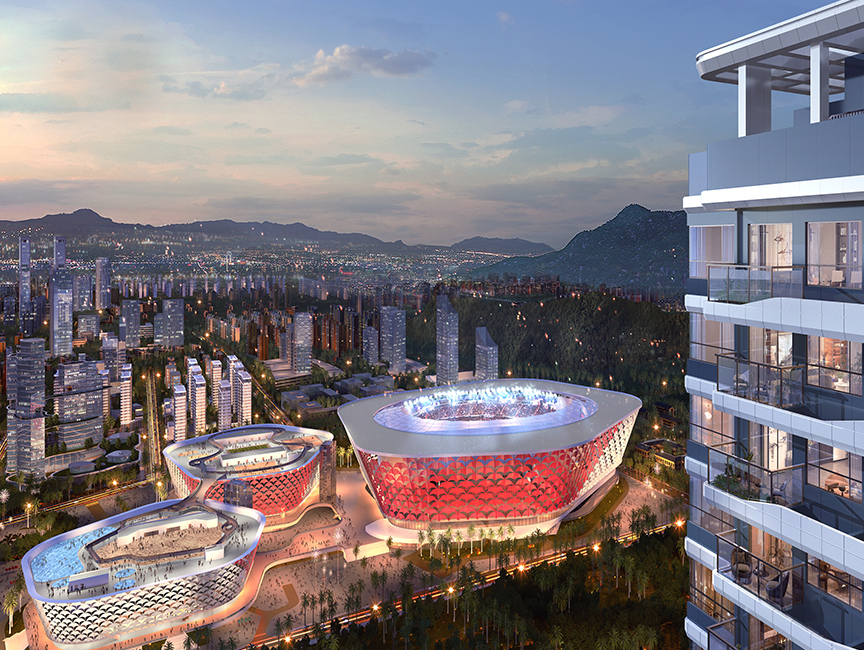
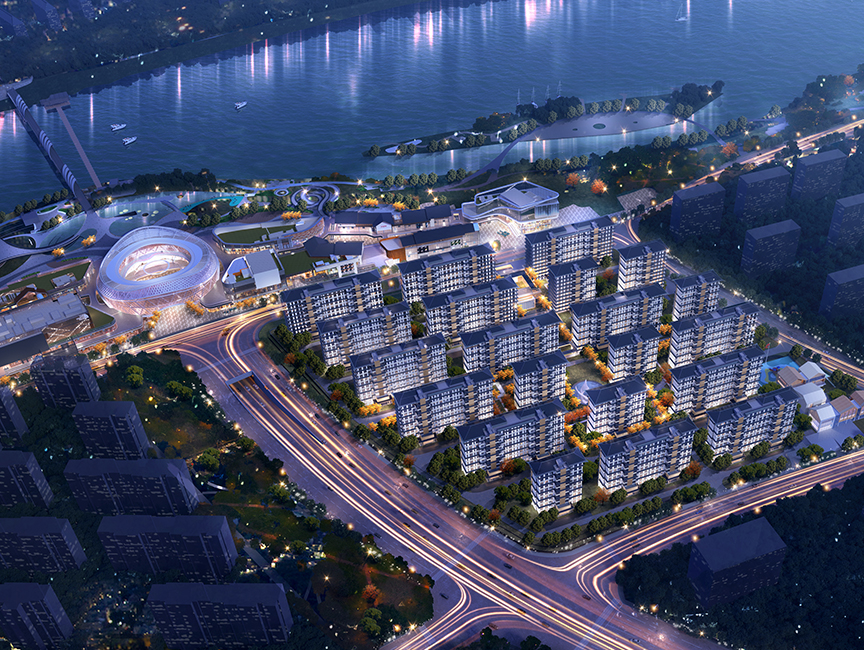
As the main venue of the 6th Asian Beach Games, the project, with a total GFA of 230,000 sqm, creates a mixed-use complex integrating sports facilities, residential and commercial functions. Backed by a total investment of RMB 21 billion and a government–enterprise collaborative development model, the sports venues have entered normalized operation, continuously hosting international sports events and large-scale performances.
The residential and commercial component, “GR ABG Village,” redefines the traditional resort housing market through forward-looking design and has ranked No.1 in Sanya’s luxury residential sales since its launch in 2022. The project successfully validates the asset management model of “attracting people through cities, developing industries through people, and driving prosperity through industries,” and stands as a benchmark for sports-driven urban upgrading.

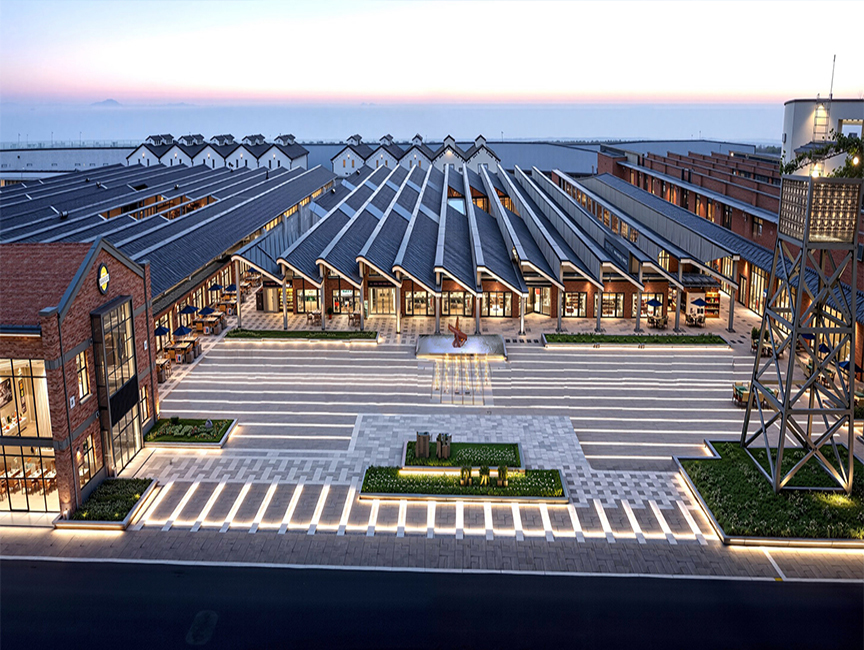
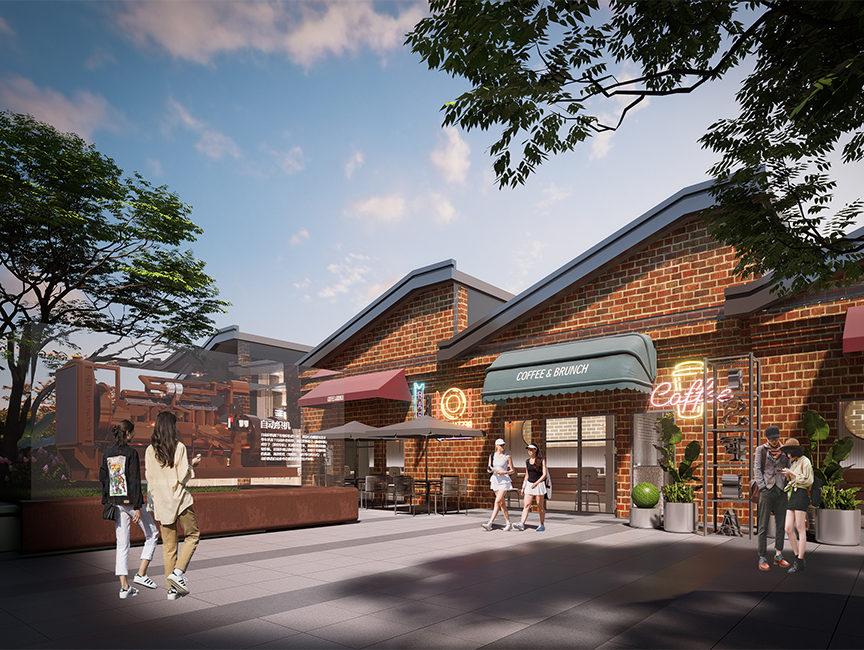
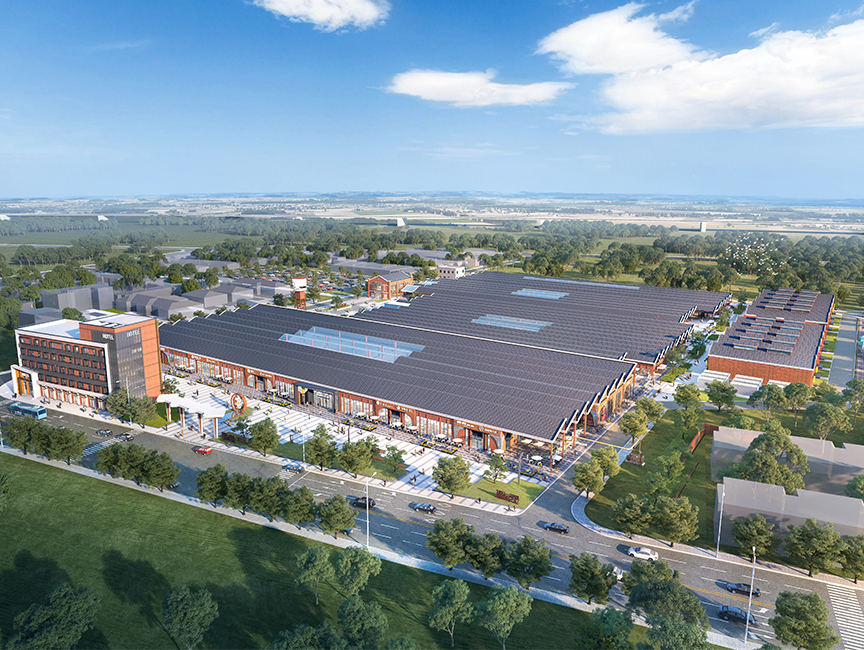
mixed-use cultural and creative industrial park integrating intangible cultural heritage, creative industries and modern commerce. Driven by a dual engine of “architectural design + cultural IP,” the project enables the industrialization of intangible cultural heritage and builds an ecosystem with strong local identity.
It not only revitalizes industrial heritage, but also pioneers a culture-empowered asset renewal model for industrial parks, providing a replicable template for the repositioning of existing assets and achieving the dual enhancement of cultural value and asset value.

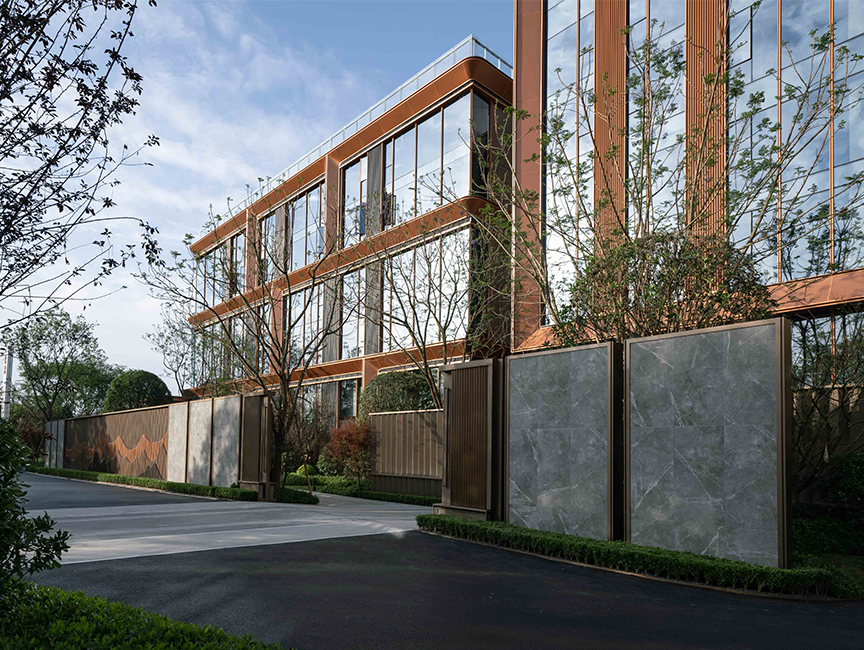
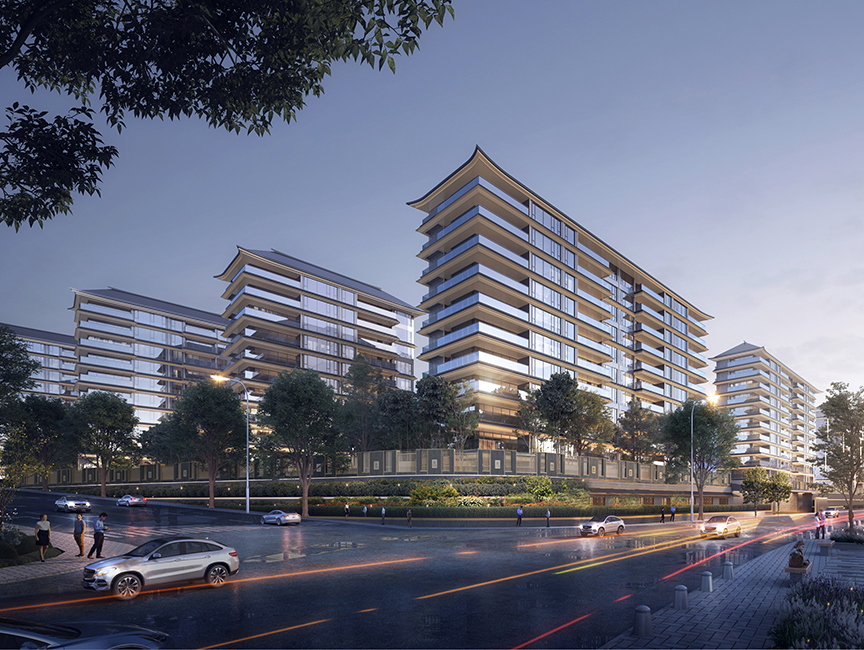
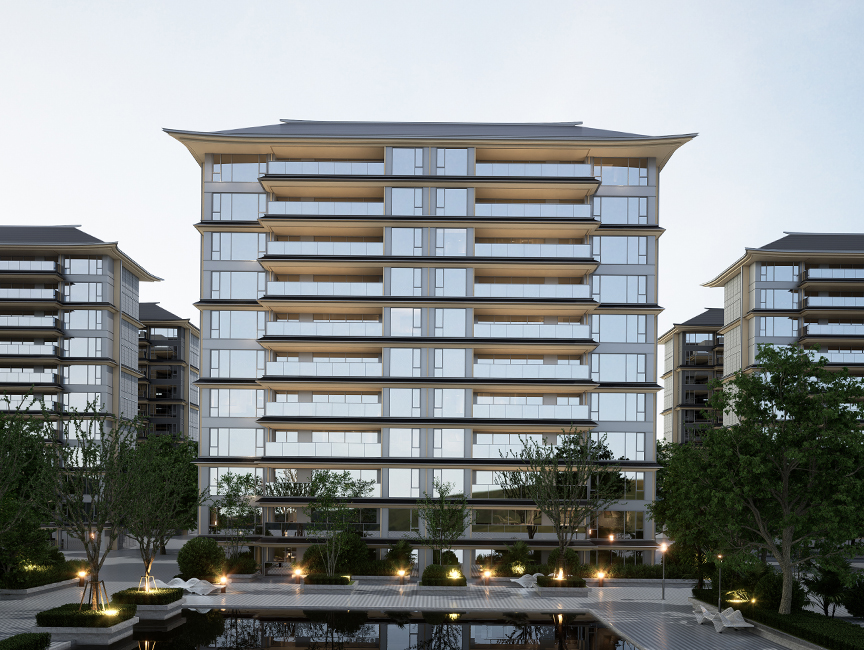
Co-developed with a state-owned enterprise in Ganzhou, this “technology and art–inspired luxury residential” project spans approximately 290,000 sqm. Powered by the “Ke+Village” commercial engine and guided by a top-level strategy of “villa-quality living, community clustering, smart technology, and art-infused lifestyle,” it establishes a diversified value system.
In addition to expressing refined Oriental aesthetics, the project introduces GR’s proprietary “Six-Constant Environmental Technology System” by GR Green Tech company, setting a new benchmark for high-performance residential products and long-term asset competitiveness. Through systematic operations, the site—nestled between mountains and water—will evolve into a composite destination integrating ecology, culture, art and urban vitality, driving sustainable regional renewal and long-term value realization.

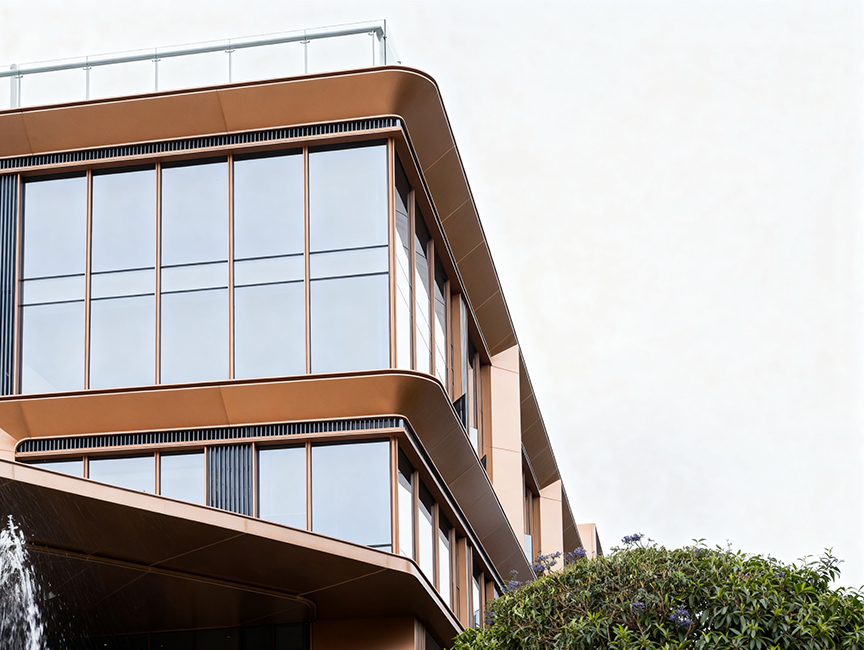
A creative landmark developed by GR Group in Jinjiang District, Chengdu in 2025. Centered on the concept of “spiritual nomadism,” the project employs a design language of “upward free flow,” using curved forms and vertical spatial sequences to break conventional spatial boundaries and create an artistic environment where architecture coexists with nature.
As a key practice of returning “residential sovereignty” to owners, the project applies forward-looking asset management thinking to transform artistic creativity into sustainable asset value. Through the integration of spiritual ambience and physical space, it delivers future-oriented art villas that combine long-term value appreciation with profound emotional belonging, setting a new paradigm for high-end asset management.